Dota 2 is one of the most complex and strategic esports games in the world. Each match is a coordination dance, time, skills, and execution of a subtle role.
Whether you just know the game or high player, learning how the five core positions and work roles are very important to increase your gameplay and understand how the professional team operates.
Understanding the position in Dota 2
In Dota 2, there are five player positions, positions labeled 1 to position 5, which are based on agricultural priorities or how much space and gold are expected to be received by each player. This is not a permanent rule but a widely accepted structure used by PUB players and professional teams.
Position 1: Carry
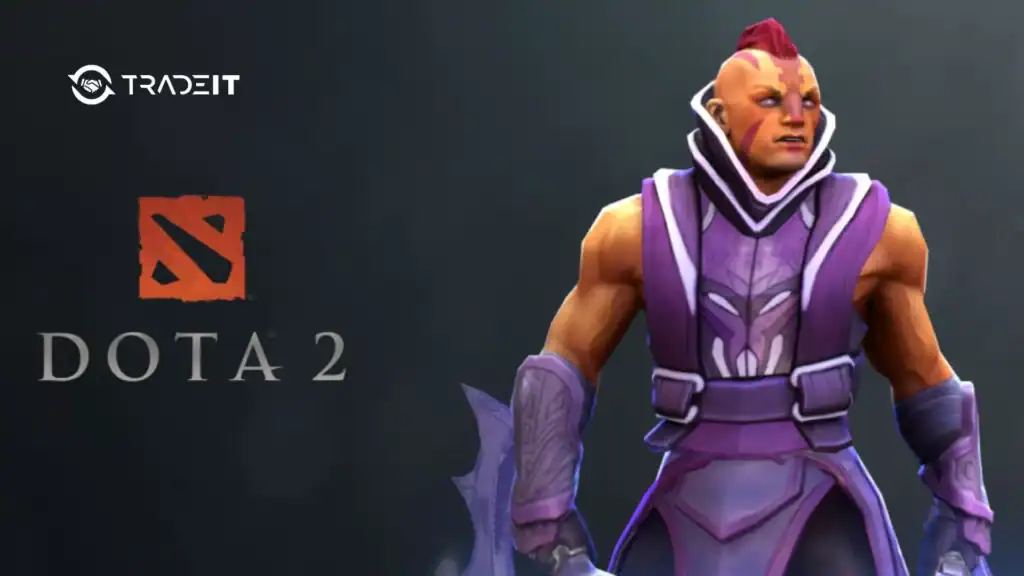
🎭
Also known as: Inti, Carry hard
📍
Track: Safe lane (bottom for radiant, top to direct)
🎯
Main Work: Agriculture is heavy, scale to the final match, and be the main damage dealer.
The position of 1 player is the team or hero who depends the most on goods and agriculture to be strong. During the early stages of the MMR ranking match, Carry is usually protected by support and focuses on the last creep for gold.
After the core items were obtained, Carry began to join a fight and ideally lead the team to victory through extraordinary output damage.
Examples of Carry Heroes:
🗡️ Phantom Assassin
🌑 Spectre
🐍 Medusa
🌀 Anti-Mage
Position 2: midlaner
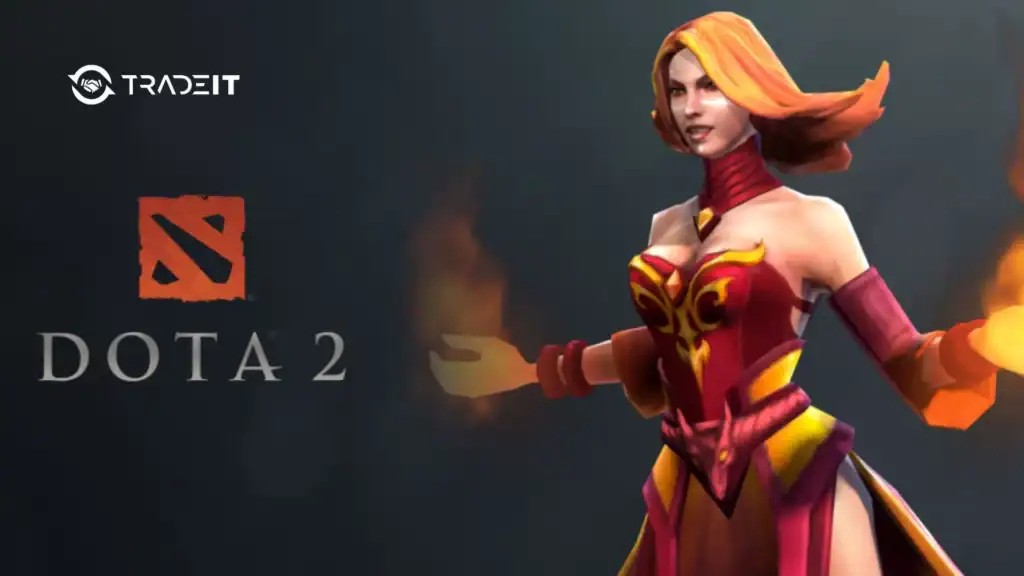
Also known as: Solo mid
Main Work: Get experience quickly, play to help other paths, snowballs become secondary core.
Midlaner plays in the middle lane, which is shorter and makes it possible to get a faster level. This player is expected to have strong mechanics, because MID is often a 1V1 path that tests individual skills.
A good midlaner not only dominates their path but also helps secure map control by turning and killing enemies in other paths.
Examples of central heroes:
⚡ Spirit of the Storm
🔮 Assassin Templar
🔥 Lina
🌪️ The Spirit of the bucket
Position 3: Offlaner
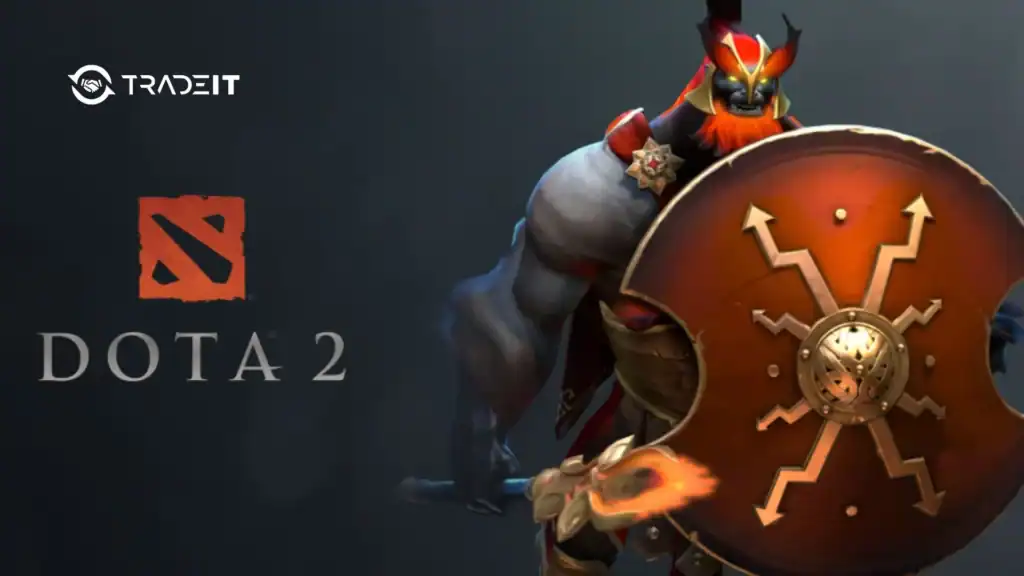
Also known as: Utility Core, Tank
Track: Offlane (top for radiation, bottom for terrible)
Main Work: Starting a fight, soaking damage, disturbing the core of the enemy.
Offlane is the most difficult path to survive because the position of player 3 usually against two enemy heroes.
These players often choose a durable hero or cellphone that can survive the initial aggression and contribute to the team’s battle without the need for much agriculture. A good offlaner buys space to carry and help start a fight with a reliable initiation or a crowd control.
Example of offlane hero:
🐃 Centaur Warrunner
🌊 Tidehunter
🛡️ MARS
🪓 Ax
Position 4: Roaming Support
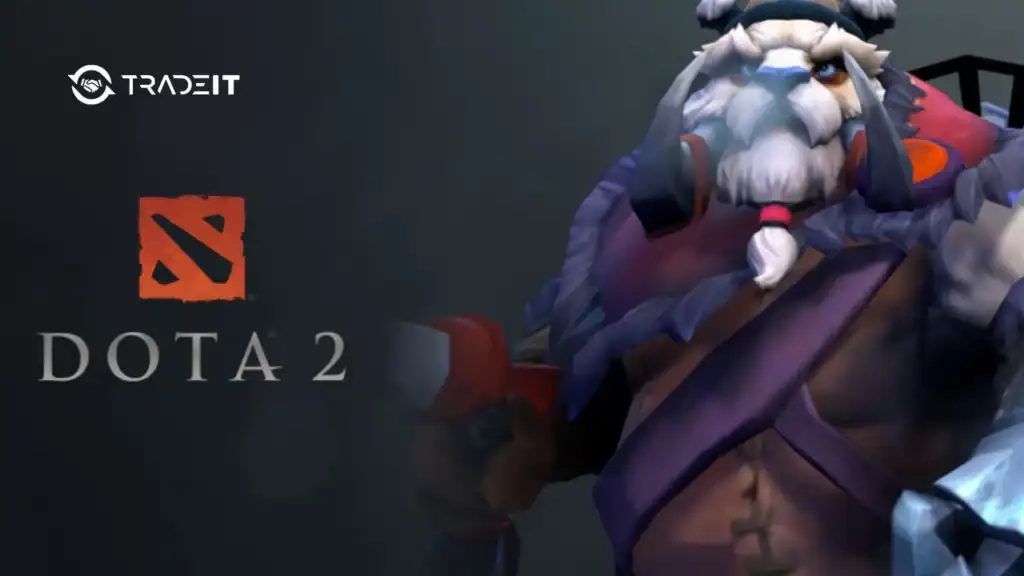
Also known as: Soft support, semi-support
Track: Often starts in offlane, roaming between paths
Main Work: Arrange murder, play early, place vision, create chaos.
Position 4 of the hero of support is a playmakers in the initial game. They usually have low gold needs and high -impact spells.
Their role is to help win the path through gangks, secure the vision through the ward, and pressing the enemy by continuing to move around the map.
Although they don’t get much agriculture, their initial action often determines the tempo of the game.
Examples of positions of 4 heroes:
🌀 Earth Spirit
❄️ Tusk
🕷️ NYX Assassin
💣 Technician
Position 5: Hard Support
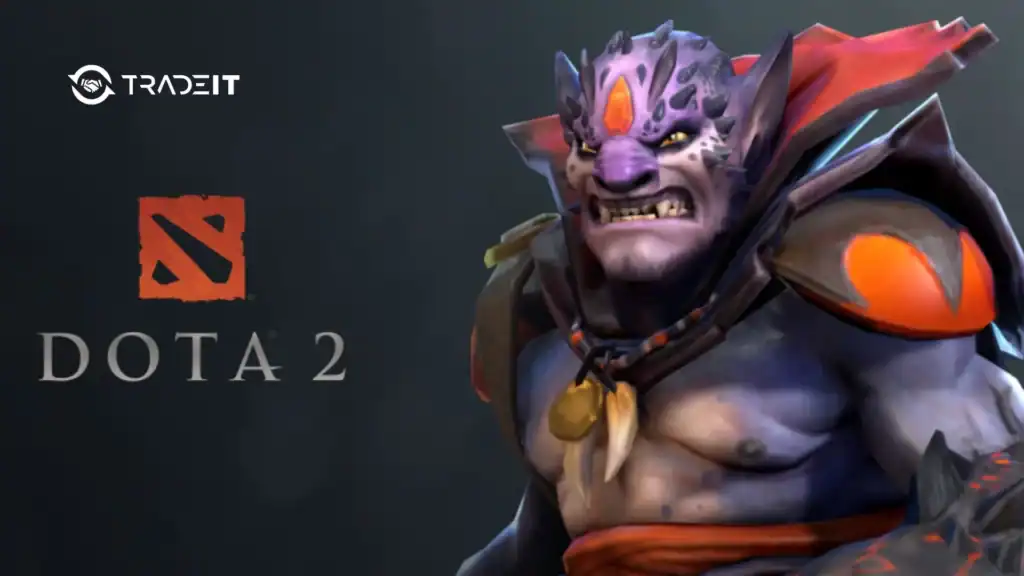
Also known as: Captain, baby caregiver
Track: Safe Path with Carry
Main Work: Protect Carry, buy wards, give utilities and healing.
Position 5 is the lowest agricultural priority in the team. This player often buys supporting items such as observer ward, guard wards, fraud smoke, and dust appearance.
They keep the carry alive on the track, offer healing or crowd control in a fight, and often responsible for making a call or leading the team strategically.
Examples of harsh heroes:
❄️ Crystal Maiden
🦁 Lion
💉 Dazzle
☠️ Lich
Role vs Position: What’s the difference?
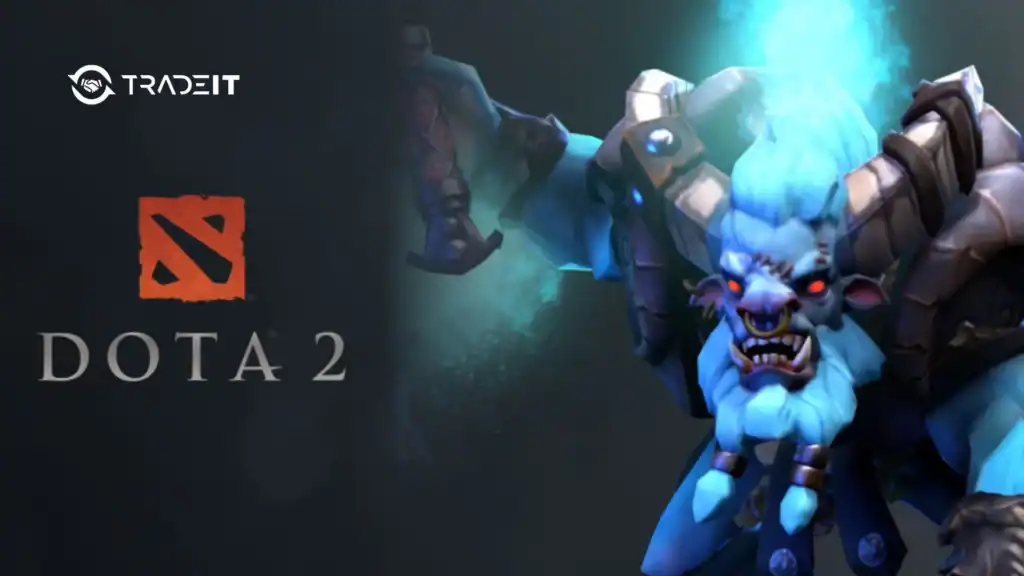
While five positions help determine who gets agriculture and experience, the role refers to what your heroes actually do in the game. This can shift depending on the draft or play style. Here are some general roles in all positions:
Initiator: Starting the team’s battle (for example, Tidehunter, Earthshaker)
DisaBler: Give stun or silence (for example, lions, shamans)
Nuker: Deals High Burst Magic Damage (for example, Lina, Zeus)
Pusher: Good at destroying the tower (for example, the Prophet of nature, shaman of shadow)
Healer/Save: Provide sustainability or protection (for example, enchanting, oracle)
Ganker: Roams and choose enemies (for example, Spirit, Riki)
Some heroes can meet many roles. For example, Pugna can be a nuker, booster, and support, depending on how he plays.
Conclusion
Understanding the position and role of Dota 2 is the first step towards team coordination and the sense of the game. While the game is liquid and players often adapt their roles based on the draft or circumstances in the game, knowing what your position is demanding to help your team function as a unit.
Whether you farm as position 1 brings or provide vision as support for position 5, your contribution is very important for the success of your team.
FAQ
A position Referring to agricultural priorities and resources (1 to 5), while a role Explain the function of heroes in the game, such as the initiator or healer. One position can play several roles depending on the draft.
Yes, especially in the lower level games or chaotic matches. Some support can turn to the core if they get agriculture or unexpected murder.
Because it is a player with The lowest agricultural priority And usually responsible for warding off, saving teammates, and buying utility items, all have little or no personal gold benefits.
Not necessarily. Midlaner is very important for the momentum of the initial game, but the success of the team depends on coordination. Strong Carry or Offlaner can easily outperform the middle if the game supports them.
Very. Many heroes are flexible—Lina Can be a midlaner (position 2), support (position 4 or 5), or even a nuker, person with disabilities, or driving depends on items and play styles.
Game Online
Motivation
News
Pendidikan
Pendidikan
Download Anime
Gaming Hub
A gaming hub can refer to a central platform or space dedicated to gaming, where players can access games, interact with other gamers, and enjoy related content.